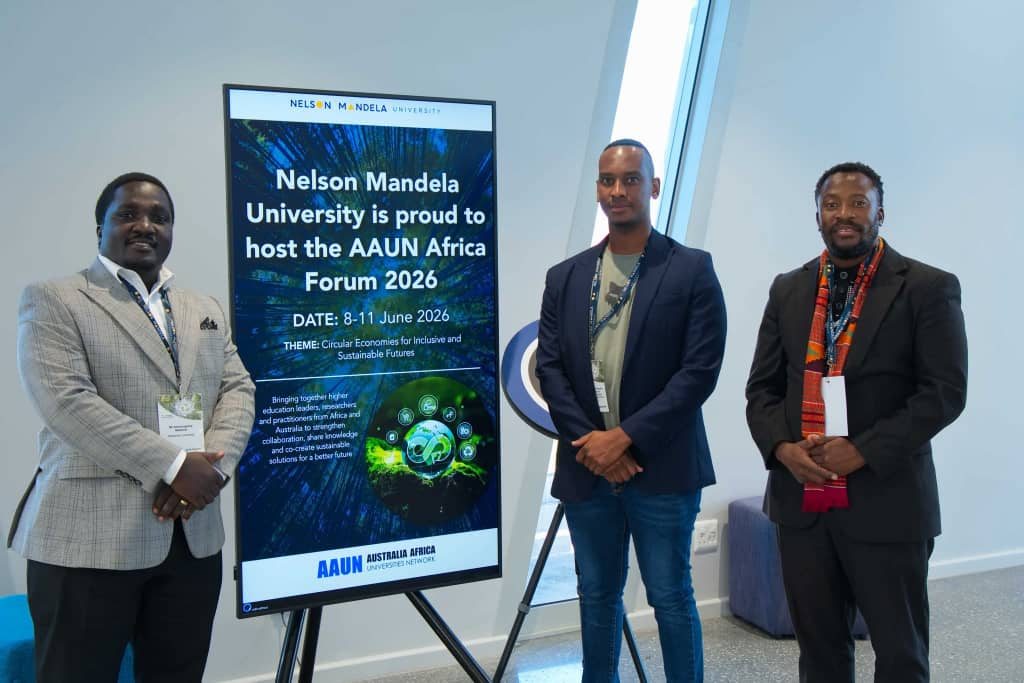
GQEBERHA, SOUTH AFRICA — The energy on the Nelson Mandela University campus was palpable as the 2026 Australia Africa Universities Network (AAUN) Conference entered its highly anticipated third day. With a sharp focus on sustainable futures and the circular economy, Day 3 challenged delegates to rethink traditional paradigms of development, industry, and environmental stewardship.
Guided by the overarching vision of a greener, more equitable global economy, the day’s sessions were meticulously curated to inspire action. Our profound hope is that the dialogues from these sessions will help our delegates to think of bold new ways of promoting systemic change, decoupling economic growth from resource use, and designing out waste and pollution.
Setting the Stage for Innovation
The day’s proceedings were expertly steered by our Programme Director, Dr. Marija Petrovska. Dr. Petrovska set an inspiring tone for the day, seamlessly weaving together the diverse academic disciplines present in the room and urging attendees to move beyond theory and toward actionable, scalable solutions for both Australia and the African continent.
Expert Insights and Powerful Dialogues
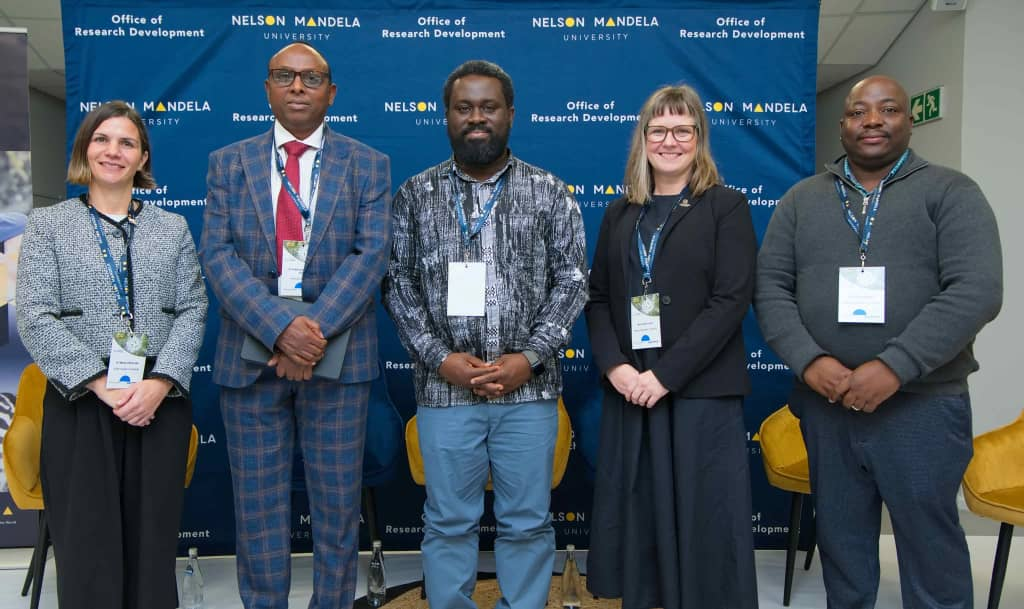
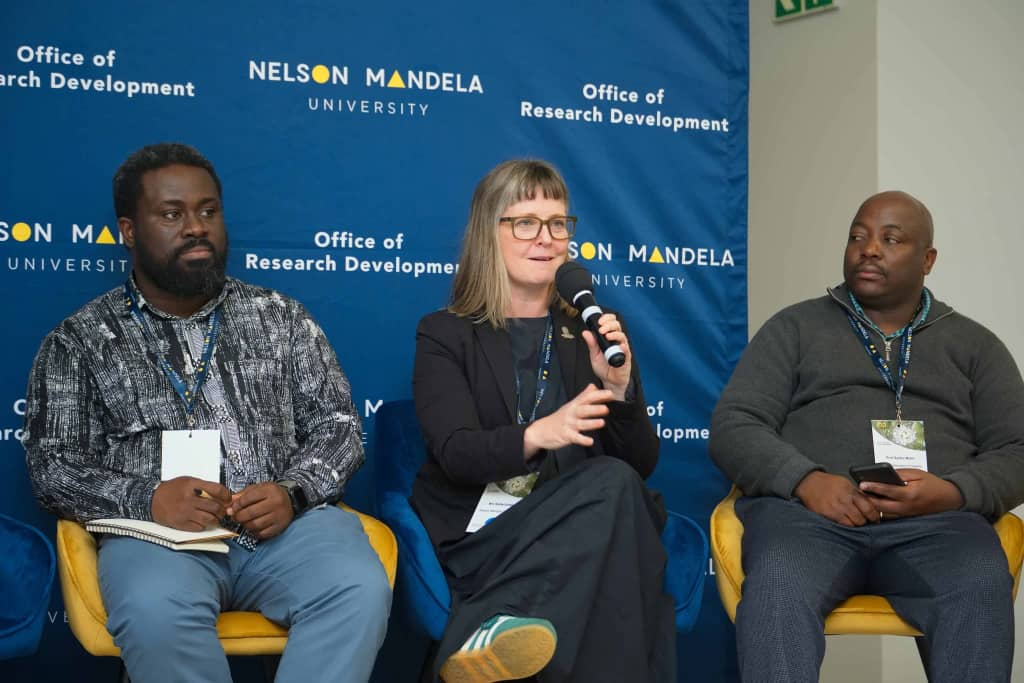
The podium was graced by an incredible lineup of thought leaders, academics, and innovators who shared groundbreaking research and real-world case studies:
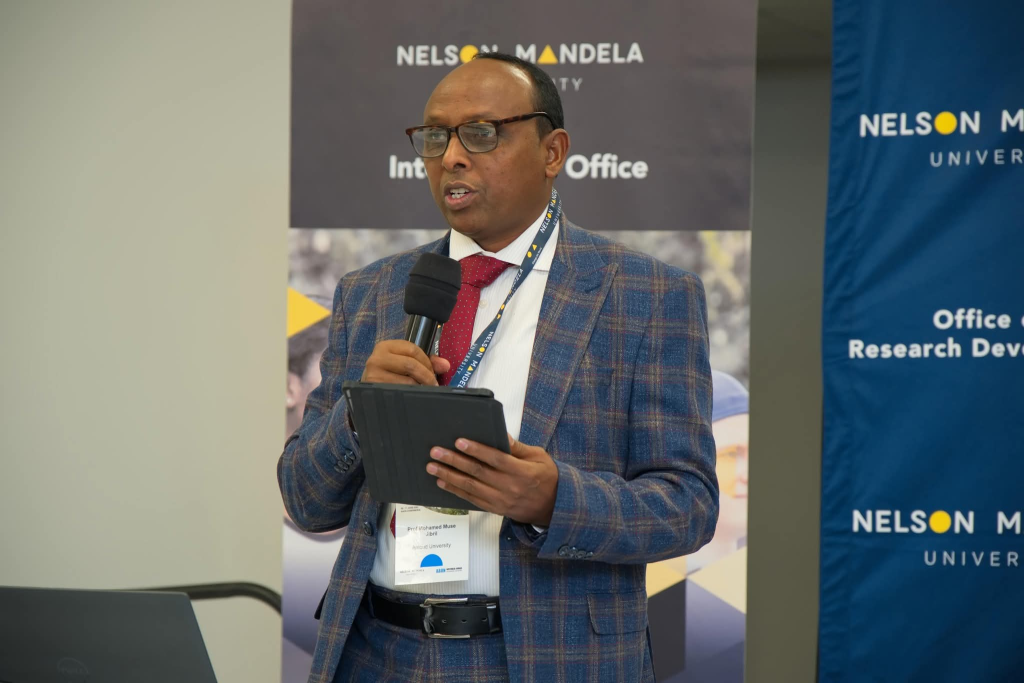
- Prof. Mohamed Muse Jibril delivered a compelling address on the necessity of systemic change within institutional frameworks. Drawing on rich regional perspectives, he emphasized that true sustainability requires a complete overhaul of how universities, governments, and private sectors collaborate.
- Prof. Syden Mishi brought a crucial economic lens to the stage. He challenged the traditional metrics of success, presenting an evidence-based roadmap for decoupling economic growth from relentless resource extraction. His session highlighted how emerging economies can leapfrog outdated, carbon-heavy industrial practices.
- Mrs. Riette Kotze captivated the audience with practical strategies for designing out waste and pollution from the ground up. By focusing on the lifecycle of materials and the power of behavioral economics, she illustrated how communities and industries can turn waste streams into valuable revenue streams.
- Prof. Selorm Dorvlo closed the speaker sessions with an eye-opening presentation on the intersection of technology and sustainable agriculture. He showcased innovative engineering solutions that minimize environmental footprints while maximizing output, proving that ecological preservation and food security can go hand in hand.
Looking Ahead
As delegates spilled out into the Nelson Mandela University corridors for the afternoon networking sessions, the conversations remained vibrant. The exchange of ideas sparked today is a testament to the power of the AAUN in bridging continents through shared knowledge.
The challenges of waste, pollution, and resource depletion are universal, but as Day 3 of the conference proved, the solutions are well within our grasp when brilliant minds come together. We look forward to seeing how our delegates will take these insights back to their respective institutions and communities to champion the systemic change our world so urgently needs.