Conference News

Conference News, news

SAHA 2026: Dr. Hassan Aden Ahmed on Better Hypertension Care

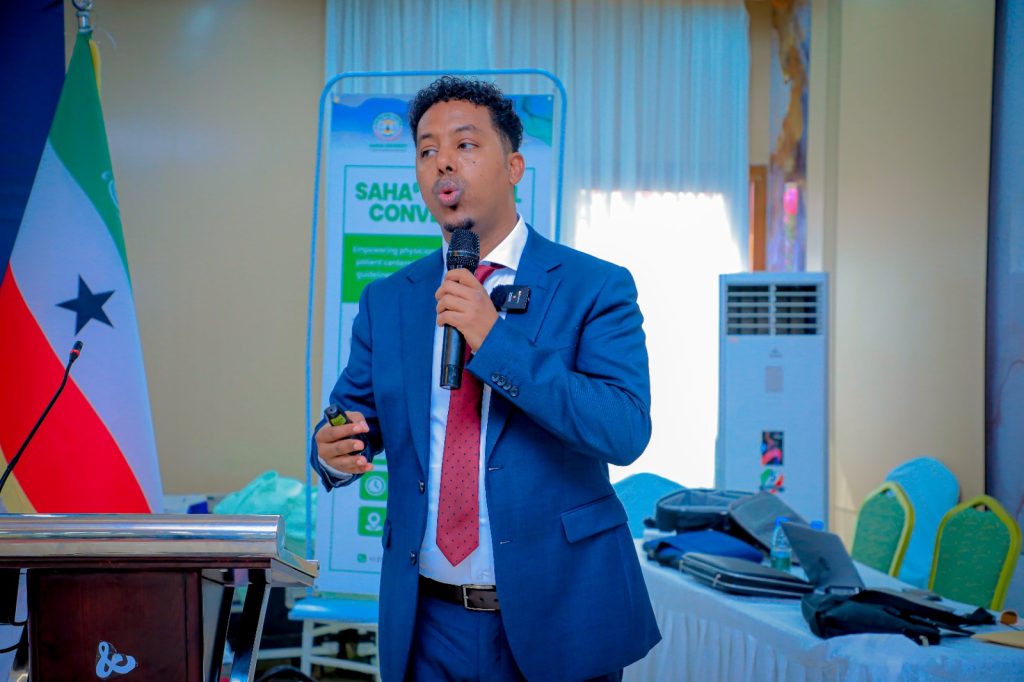
Dr. Hassan Aden Ahmed shares expert insights on hypertension during today’s SAHA 2026 session, covering new diagnostic tools and heart health strategies. BORAMA, Somaliland – The SAHA 6th Annual CME Convention continued today with a major focus on heart health. Dr. Hassan Aden Ahmed, a heart specialist from Dortmund, Germany, led a vital session. He spoke about new ways to find and treat high blood pressure (hypertension). Because heart disease is a growing problem in the region, this session was very important. Dr. Ahmed shared clear steps to help doctors improve patient care and save lives. Better Ways to Find High Blood Pressure First, Dr. Ahmed explained that simple clinic tests are often not enough. He urged doctors to use modern tools for better accuracy. For instance, he recommended Ambulatory Blood Pressure Monitoring (ABPM) and home testing. Moreover, these methods show a patient’s blood pressure over a full day. Consequently, doctors can avoid a wrong diagnosis. This ensures that only the patients who truly need medicine receive it. Focusing on Heart Risk and Lifestyle In addition to testing, Dr. Ahmed talked about assessing a patient’s total heart risk. He told doctors to use proven scoring systems. Therefore, they can decide the best time to start treatment based on the risk of heart attack or stroke. However, medicine is not the only answer. Dr. Ahmed highlighted the power of healthy living. He shared several key strategies, such as: According to the World Health Organization, these lifestyle changes are the first line of defense against high blood pressure. Choosing the Right Medicine and Using Technology When lifestyle changes are not enough, doctors must choose the right drugs. Dr. Ahmed compared common options like ACE inhibitors and diuretics. He noted that every patient is different. Because of this, doctors must choose medicines based on the patient’s age and other health issues. Lastly, the session looked at how technology can help. In places with fewer resources, digital tools are very helpful. For example, phone apps and community programs can help patients stay on track. Furthermore, Dr. Ahmed suggested using “shared decision-making.” As a result, patients are more likely to take their medicine correctly. To learn more about the opening of this event, read how Global Health Experts Converge in Borama for the 6th Annual SAHA Convention. Event Summary

Conference News, news

Dr. Hussein Hanfi of Howard University, Washington, DC, Delivers a High-Impact CME Session on Pre-Operative Assessment in Patients with Non-Communicable Diseases (NCDs).

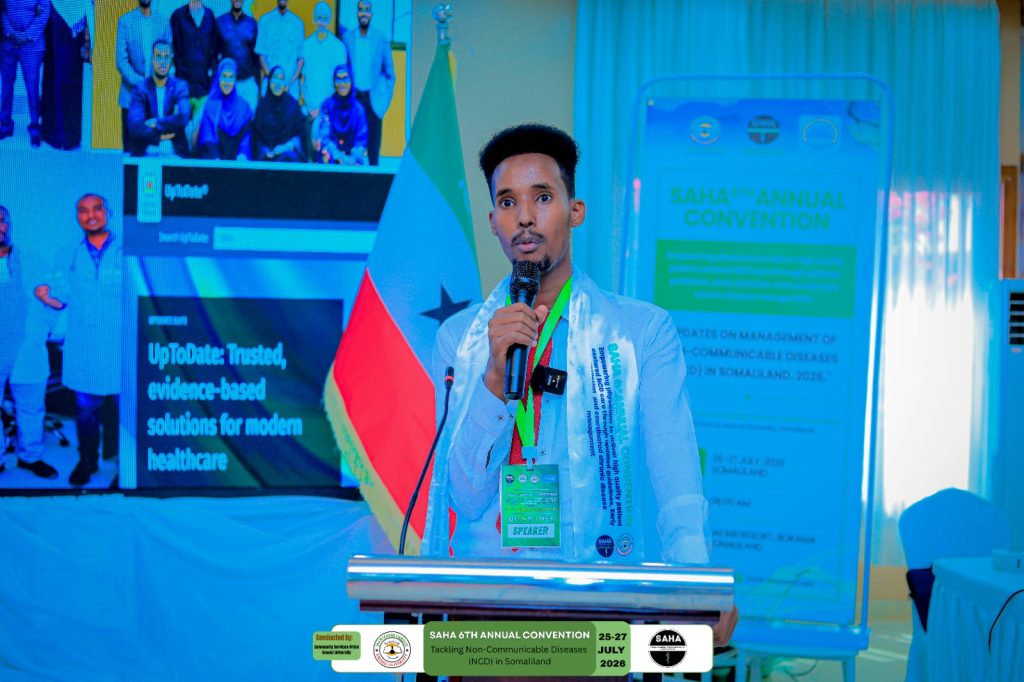
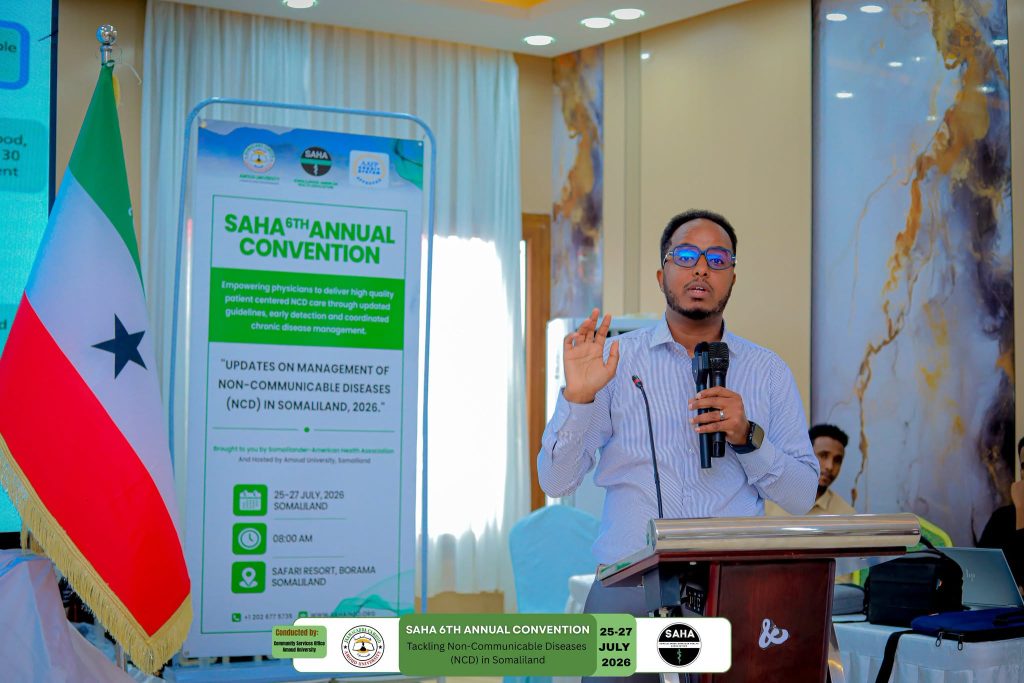
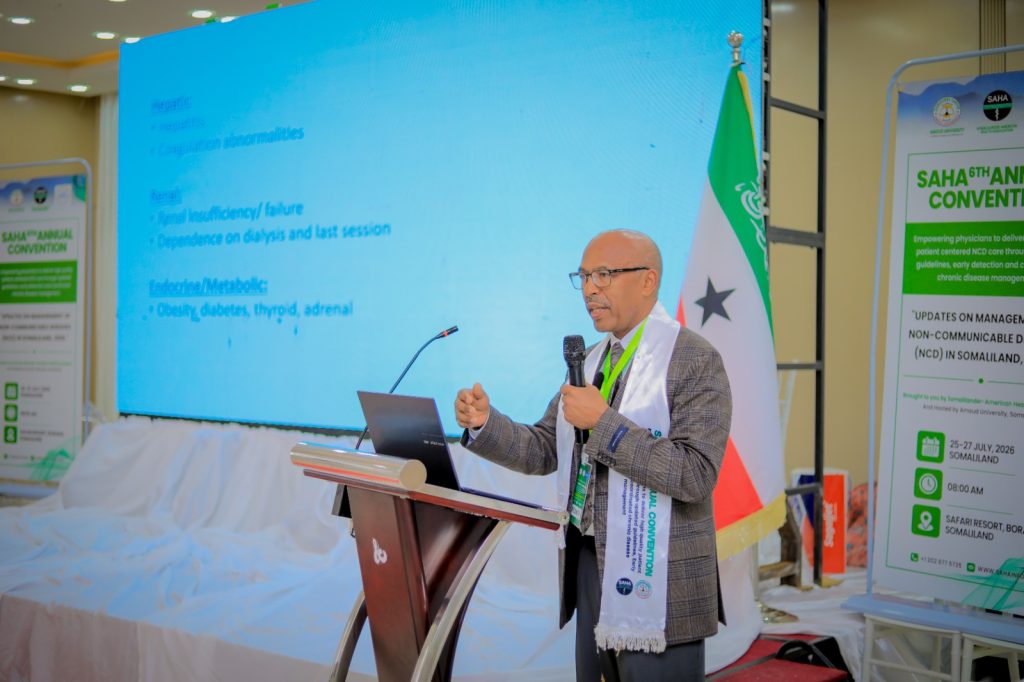
BORAMA, Somaliland – The second day of the SAHA 6th Annual Continuing Medical Education (CME) Convention 2026 took a deep dive into surgical safety today, headlined by a critical session on managing the rising challenge of non-communicable diseases (NCDs) in operative care. The spotlight of the day was an intensive lecture delivered by Dr. Hussein Hanfi of Howard University, Washington, D.C. Addressing a packed room of healthcare professionals and academics at the Safari Hotel, Dr. Hanfi’s presentation, “Pre-Operative Assessment in Patients with Non-Communicable Diseases (NCDs),” provided a roadmap for reducing surgical risks in an era where chronic conditions are increasingly prevalent. Prioritizing Perioperative Safety Dr. Hanfi’s session focused on the high-stakes environment of perioperative care, specifically for patients suffering from diabetes mellitus, hypertension, chronic obstructive pulmonary disease (COPD), and cardiovascular disease. He argued that the success of a surgical procedure is often determined long before the first incision is made. “Thorough pre-operative evaluation is not optional; it is the foundation of patient safety,” Dr. Hanfi emphasized. He detailed the necessity of rigorous laboratory investigations, cardiac assessments, and pulmonary function testing to identify potential complications before they occur. Tools for Evidence-Based Decision Making A key highlight of the lecture was the introduction of internationally recognized risk stratification tools. Dr. Hanfi trained participants on the practical application of: These tools are designed to move clinical decision-making away from intuition and toward a standardized, evidence-based approach. The Multidisciplinary Approach Dr. Hanfi also addressed the logistical complexities of perioperative management. His lecture covered the vital process of medication reconciliation—ensuring a patient’s chronic medications are managed correctly around the time of surgery—and the diverging strategies required for elective versus emergency procedures. The core of his message was the need for a “multidisciplinary care pathway.” Dr. Hanfi called for increased collaboration between surgeons, anesthesiologists, internists, and primary care providers. This team-based approach, he noted, is essential to minimizing postoperative complications and improving long-term recovery outcomes in the region. Strengthening Regional Healthcare The session sparked an energetic discussion among the local and international delegates, highlighting the shared challenges of managing the NCD burden across Somaliland’s healthcare system. The SAHA 6th Annual CME Convention is organized by the Amoud University School of Health Sciences. By bringing in global experts like Dr. Hanfi, the university continues to position itself as a leader in medical innovation and professional development. As the convention continues through its final sessions, the focus remains on equipping Somaliland’s medical workforce with the modern skills necessary to deliver world-class patient care. Event Summary:

Conference News, news

Global Health Experts Converge in Borama for the 6th Annual SAHA Convention

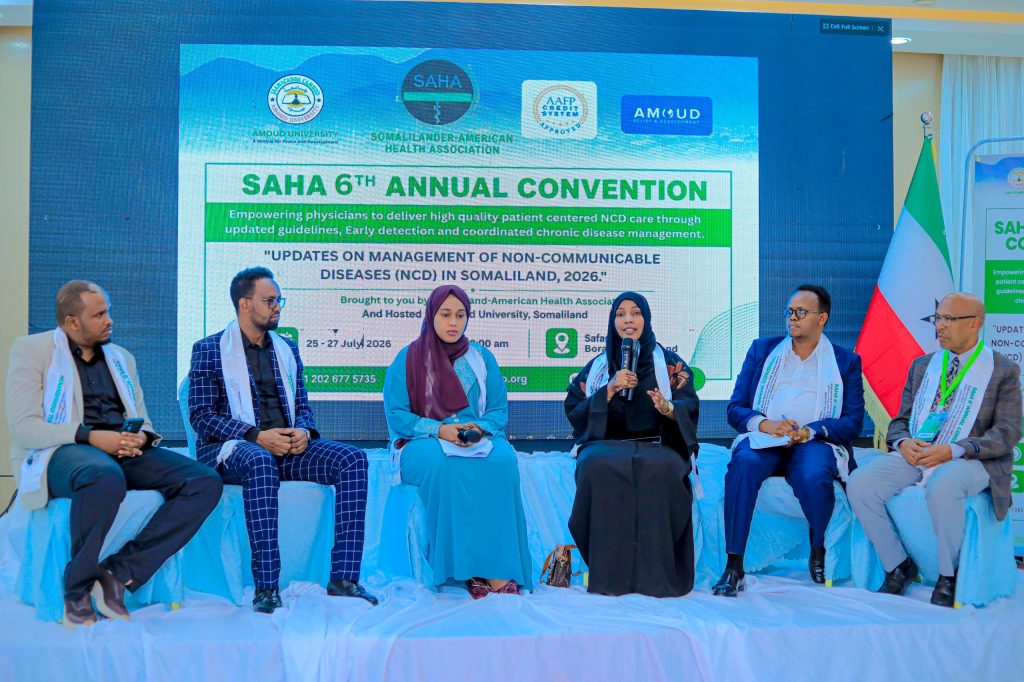
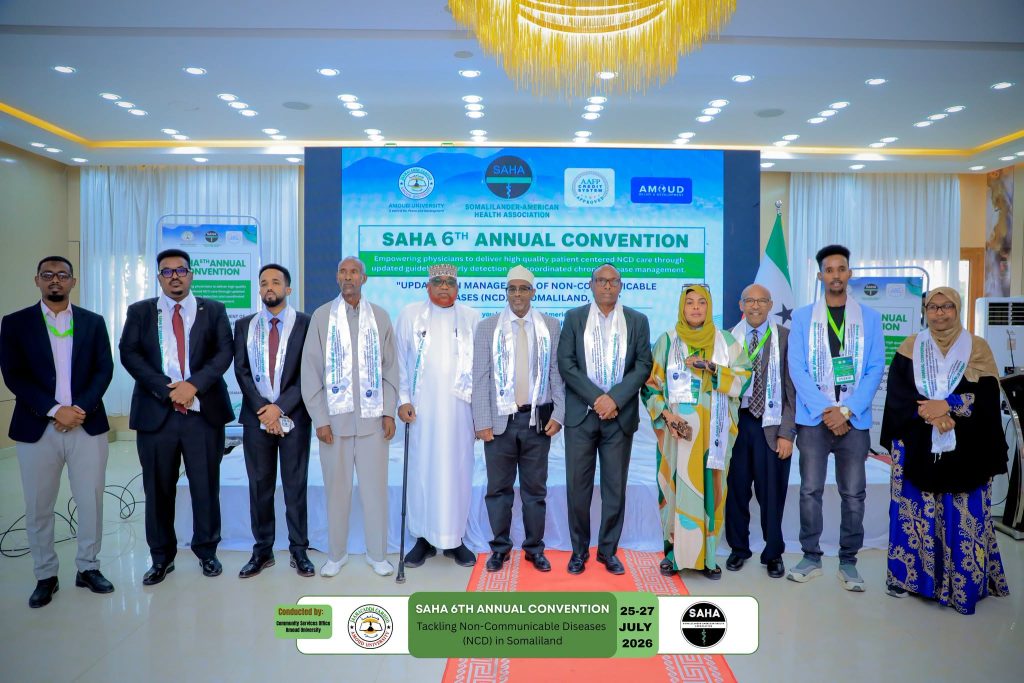
BORAMA, SOMALILAND – The 6th Annual Somali American Health Association (SAHA) Convention officially commenced today at the Safari Hotel, marking a significant milestone for the region’s healthcare sector. Hosted by Amoud University, the three-day summit brings together a prestigious delegation of local and international medical professionals to address the rising challenge of chronic illnesses. A Mission for Change: Tackling NCDs This year’s convention is centered on a critical theme: “Tackling Non-Communicable Diseases (NCD) in Somaliland.” As the region undergoes epidemiological shifts, the prevalence of conditions such as diabetes, hypertension, and chronic respiratory diseases has become a primary concern for health authorities. The convention serves as a strategic platform for medical leaders to share data, clinical breakthroughs, and public health strategies aimed at reducing the burden of these “silent killers.” World-Class Collaboration The event highlights a powerful collaboration between local institutions and global academic giants. Renowned experts from Yale University and Howard University are in attendance, joining forces with Somaliland’s leading clinicians to provide life-saving insights. “This is more than just a meeting; it is a historic gathering for our health sector,” said a representative from the organizing committee. “By bringing world-class expertise from institutions like Yale and Howard to Borama, we are ensuring that our local practitioners are equipped with the latest global standards in NCD management.” Event Highlights Over the next three days, attendees will participate in: Quick Facts: Leading the Way Forward As Amoud University takes center stage as the host, the convention reinforces Borama’s reputation as a hub for academic and medical excellence. The outcomes of this convention are expected to influence healthcare policy and clinical practice across Somaliland for years to come. Stay tuned for more updates as we follow the developments from the SAHA 6th Annual Convention.

Scroll to Top