Conference News, news

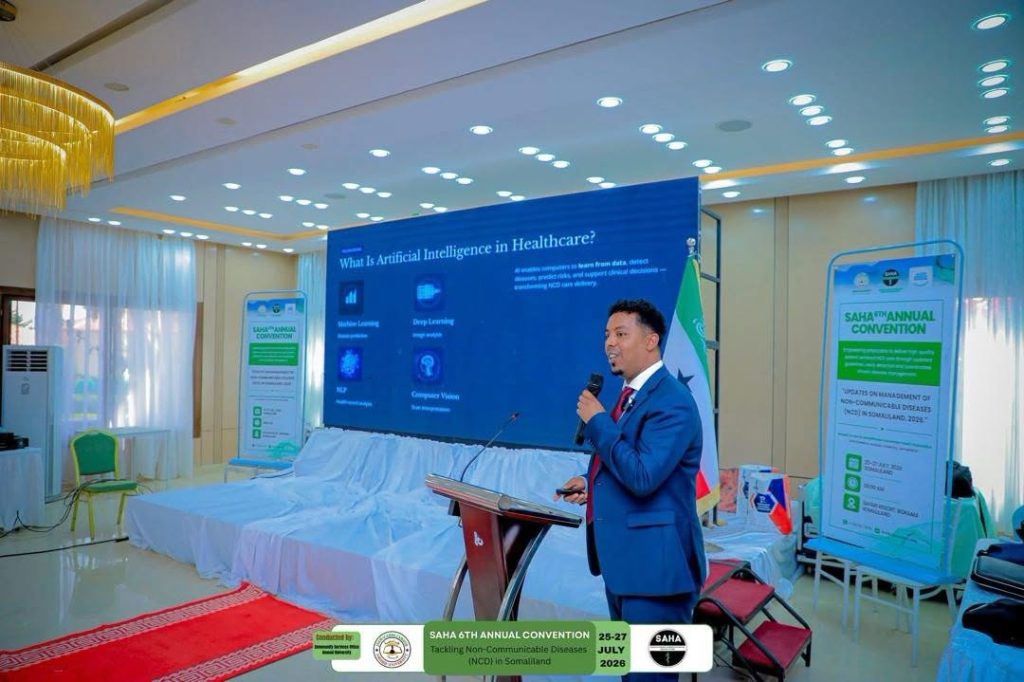
Yusuf Hared Presents Transformative Approaches to AI in NCD Care at the SAHA 6th Annual CME Convention, Amoud University.

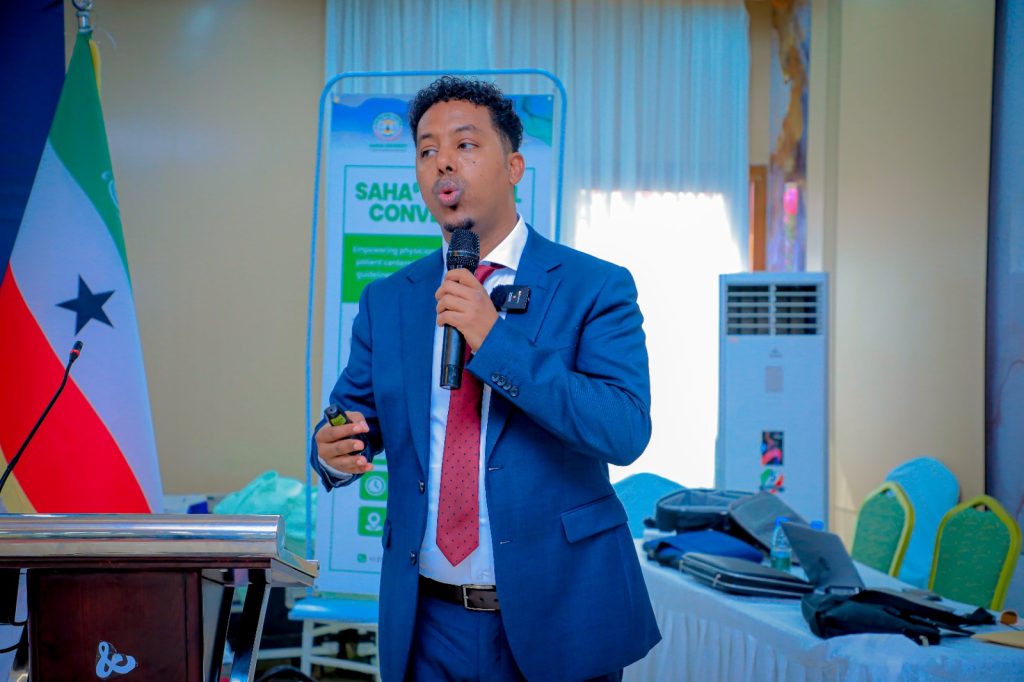
BORAMA, Somaliland – The third day of the SAHA 6th Annual Continuing Medical Education (CME) Convention 2026 brought a sharp focus on the future of healthcare, as Yusuf Hared, Director of the Center for Community Services at Amoud University and PhD Candidate in Care Sciences at Dalarna University, Sweden, delivered a forward-looking presentation on the transformative role of Artificial Intelligence (AI) in addressing the growing burden of Non-Communicable Diseases (NCDs). The session, titled “How Artificial Intelligence is Transforming Health: A Focus on Non-Communicable Diseases,” provided an in-depth exploration of how emerging technologies can reshape prevention, diagnosis, treatment, and long-term care for chronic conditions such as cardiovascular disease, cancer, diabetes, and chronic respiratory diseases. Addressing the Global NCD Burden Opening with stark data, Hared reminded the audience that NCDs account for 74% of all global deaths, placing immense strain on healthcare systems worldwide. He argued that the scale of the crisis requires innovative, scalable solutions and that AI is uniquely positioned to fill that gap. “AI is not a distant future – it is already here, and it is already transforming how we detect, treat, and monitor chronic diseases,” Hared stated. “The question is not whether we will adopt AI, but how quickly and equitably we can integrate it into our healthcare systems, particularly in resource-limited settings like Somaliland.” AI Across the Entire NCD Care Pathway Hared presented a comprehensive framework demonstrating how AI supports every stage of the NCD care continuum from prevention and early detection to diagnosis, treatment, remote monitoring, and long-term care. He highlighted specific applications: Real-World Evidence and Regional Relevance Hared reinforced his presentation with evidence from recent studies: He also emphasised the relevance of AI for low-resource settings, citing research showing that edge-deployable machine learning models can achieve 89% accuracy in early diabetes detection making them suitable for contexts like Somaliland, where healthcare infrastructure is limited but mobile technology is increasingly accessible. Benefits, Challenges, and Ethical Imperatives Hared acknowledged the significant benefits of AI integration: earlier diagnosis, higher accuracy, personalised care, reduced hospital admissions, and lower healthcare costs. However, he did not shy away from the challenges: He stressed that human oversight, transparency, and accountability must remain central to AI adoption in healthcare. “AI is not replacing healthcare professionals – it is empowering them to deliver smarter, faster, and more personalised care,” he concluded. A Vision for the Future Looking ahead, Hared outlined emerging trends that will shape the future of AI in healthcare, including digital twins, AI-powered virtual assistants, predictive population health, and AI-assisted drug discovery. He called for collaboration between clinicians, policymakers, and AI experts to ensure responsible and equitable implementation. Strengthening Digital Health Capacity in Somaliland The session sparked animated discussion among participants, who reflected on the local relevance of AI technologies for NCD management in Somaliland’s context. The session was part of SAHA Convention and organised by the Amoud University Center for Community Services as part of the university’s broader commitment to advancing health innovation, research, and professional development. As healthcare systems in the Horn of Africa face growing NCD burdens, sessions like this equip local professionals with the knowledge and vision to leverage cutting-edge technology in the fight against chronic disease. Event Summary:

Conference News, news

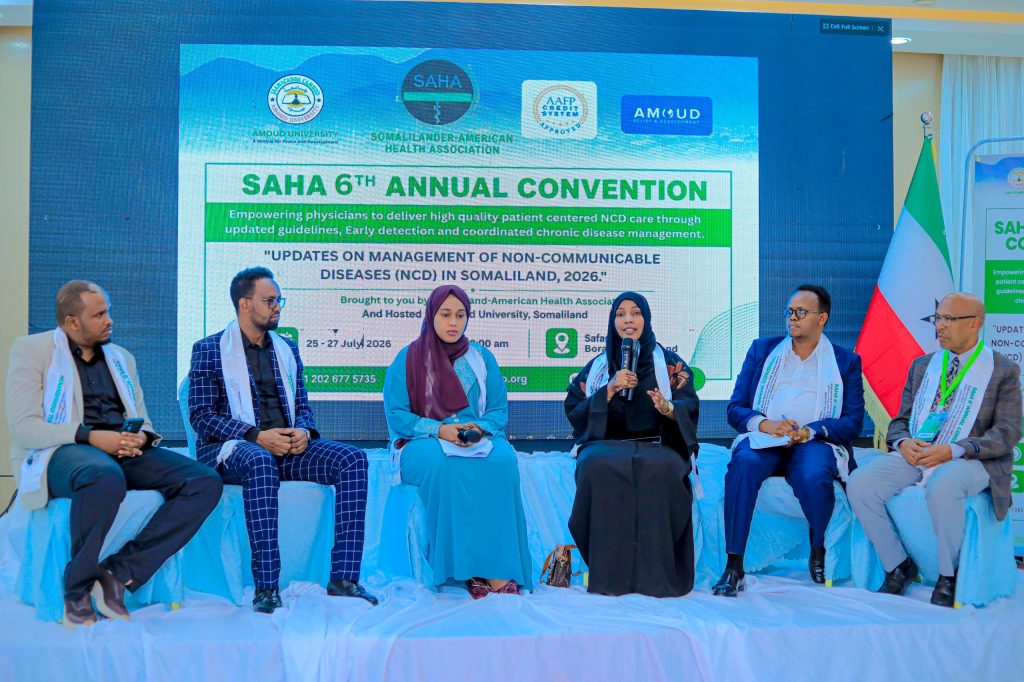
Amoud University Hosts High-Level International Panel on Patient-Centered Care

BORAMA – The Amoud University College of Health Sciences recently organized a prestigious panel discussion titled “Patient-Centered Care,” bringing together local and international medical experts to discuss the future of healthcare delivery. The event, which focused on prioritizing patient needs and values in clinical practice, featured a distinguished guest from the United States, further strengthening the university’s global academic partnerships. The Moderator:The discussion was expertly moderated by Dr. Muna Ahmed, a Family Physician and a dedicated Lecturer and Clinical Supervisor at Amoud University. She guided the conversation, ensuring a deep dive into the practical and educational aspects of patient-centered approaches. Distinguished Panelists:The panel consisted of highly experienced medical professionals, including: Key Themes:The experts discussed the necessity of moving beyond traditional treatment models to a more collaborative approach. The panel highlighted that effective healthcare is built on communication, empathy, and involving patients in their own treatment decisions. By hosting experts from renowned institutions like Howard University, Amoud University continues to demonstrate its commitment to providing world-class medical education and improving the standard of care in the region.

Conference News, news

SAHA 2026: Dr. Abdihakim Mohamed Delivers Vital Progress Report on Somaliland’s NCD Clinics

As the SAHA Country Director and MoHD Focal Point, Dr. Abdihakim Mohamed provides a comprehensive update on the expansion and success of Non-Communicable Disease clinics across the nation. BORAMA, Somaliland – On the final day of the SAHA 6th Annual CME Convention, the focus turned toward the practical application of healthcare policy. Dr. Abdihakim Mohamed, who serves as both the SAHA Country Director and the Ministry of Health Development (MoHD) NCD Focal Point, presented a much-anticipated “Progress Report on Somaliland NCD Clinics.” His presentation offered a detailed look at how Somaliland is building a sustainable system to fight chronic illnesses like diabetes, hypertension, and heart disease. Expanding the Reach of NCD Care Dr. Mohamed began by outlining the significant growth in specialized clinics over the past year. He reported that the Ministry of Health, in partnership with SAHA, has successfully integrated NCD services into several primary health centers across the country. “Our goal is to ensure that a patient doesn’t have to travel to a major city just to get their blood sugar checked or their blood pressure managed,” Dr. Mohamed stated. He highlighted that the expansion has brought life-saving care closer to rural and underserved populations, marking a major milestone for the national health strategy. Standardizing Treatment and Staff Training A key highlight of the report was the standardization of care. As the MoHD NCD Focal Point, Dr. Mohamed has led the effort to create uniform treatment protocols. This ensures that every patient, regardless of which clinic they visit, receives the same high-quality, evidence-based care. Moreover, the report detailed the success of recent training programs. Hundreds of local nurses and health workers have been trained to: Bridging the Gap Between Policy and Practice Dr. Mohamed’s dual role allows him to bridge the gap between international medical standards and local government policy. He explained that the progress seen in the clinics is a direct result of strong collaboration between the Ministry of Health and organizations like SAHA. However, he noted that challenges remain. “While we have made great strides in opening clinics, we must now focus on the consistent supply of essential medicines and the improvement of our data collection systems,” he added. He emphasized that better data will help the government allocate resources more effectively in the future. A Call for Continued Support In his closing remarks, Dr. Mohamed called on stakeholders and international partners to continue their support. He argued that investing in NCD clinics today will prevent a massive healthcare crisis tomorrow. By identifying and treating these “silent killers” early, Somaliland can significantly reduce the burden on its hospital systems. Event Summary Key Speaker: Dr. Abdihakim Mohamed (MD, SAHA Country Director & MoHD NCD Focal Point)Topic: Progress Report on Somaliland NCDs ClinicsVenue: Safari Hotel, BoramaOrganizers:

Conference News, news

SAHA 2026: Yusuf Abdi Hared on How AI is Transforming NCD Care

Yusuf Abdi Hared explores the intersection of technology and medicine during the SAHA 2026 convention, highlighting the role of Artificial Intelligence in tackling Non-Communicable Diseases. BORAMA, Somaliland – As the SAHA 6th Annual CME Convention enters its final sessions, the focus shifted toward the future of medical technology. Yusuf Abdi Hared, a leading Health Epidemiologist, Statistician, and Director of the Center for Community Services, delivered a compelling presentation on a modern frontier: Artificial Intelligence (AI) in healthcare. With the rising burden of Non-Communicable Diseases (NCDs) such as diabetes, cancer, and chronic respiratory illnesses, Mr. Hared argued that traditional methods must be supported by digital innovation to save more lives in the region. The Power of Data in Fighting NCDs Mr. Hared began by emphasizing his expertise in statistics, explaining that data is the “heartbeat” of modern medicine. He noted that AI can process vast amounts of patient data much faster than humanly possible. Consequently, this allows doctors to identify patterns that might otherwise go unnoticed. Furthermore, he explained that AI-driven tools can help predict which populations are at the highest risk for certain diseases. This shift from “reactive” care to “predictive” care allows health systems to intervene before a patient’s condition becomes critical. AI: A Game Changer for Early Diagnosis In his session, Mr. Hared highlighted how technology is transforming the speed and accuracy of diagnosis. He discussed several ways AI is currently making an impact: “AI is not here to replace doctors,” Mr. Hared stated. “Instead, it is a powerful tool that helps them make better, faster decisions based on hard evidence.” Overcoming Challenges in Resource-Limited Areas One of the most vital parts of the session focused on how AI can be used in regions with fewer medical specialists. Mr. Hared suggested that digital health platforms can bring expert-level diagnostic support to rural clinics. However, he also warned of the challenges. He urged the medical community to focus on data privacy and the need for high-quality local data. Because AI learns from the information it is given, ensuring that the data reflects the local population is essential for accuracy. Lastly, as the Director of the Center for Community Services, Mr. Hared called for a “community-first” approach to technology. By integrating AI into local health programs, Somaliland can lead the way in modernizing NCD care across the Horn of Africa. Event Summary Key Speaker: Yusuf Abdi Hared (Health Epidemiologist & Statistician | Director, Center for Community Services)Topic: How Artificial Intelligence is Transforming Health: A Focus on Non-Communicable Diseases (NCDs)Venue: Safari Hotel, BoramaOrganizers:

Conference News, news

SAHA 2026: Dr. Hassan Aden Ahmed on Better Hypertension Care

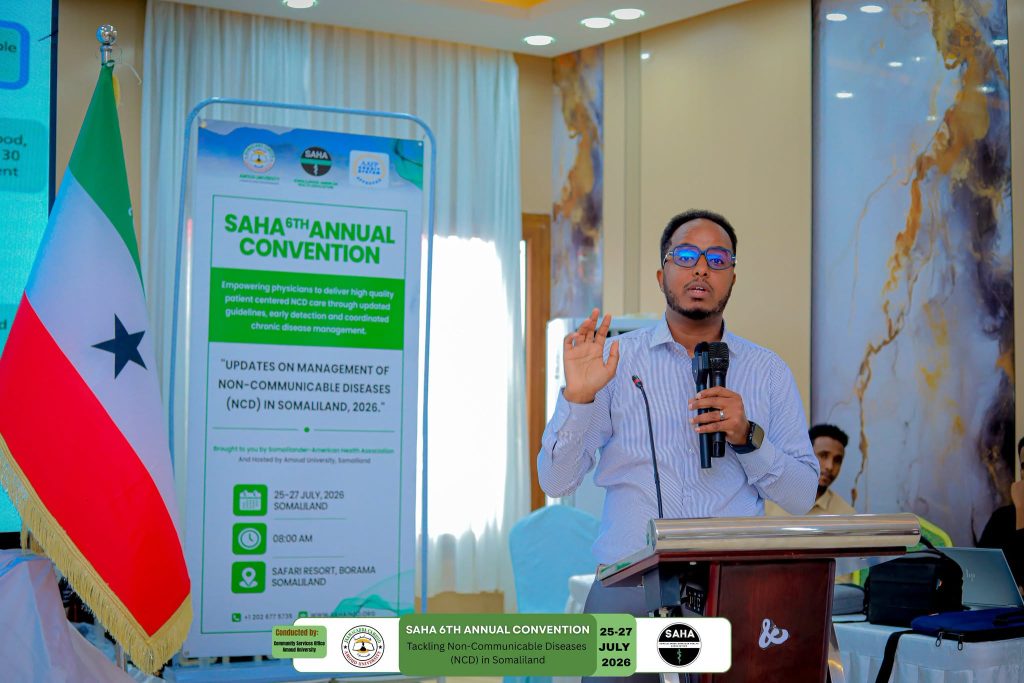
Dr. Hassan Aden Ahmed shares expert insights on hypertension during today’s SAHA 2026 session, covering new diagnostic tools and heart health strategies. BORAMA, Somaliland – The SAHA 6th Annual CME Convention continued today with a major focus on heart health. Dr. Hassan Aden Ahmed, a heart specialist from Dortmund, Germany, led a vital session. He spoke about new ways to find and treat high blood pressure (hypertension). Because heart disease is a growing problem in the region, this session was very important. Dr. Ahmed shared clear steps to help doctors improve patient care and save lives. Better Ways to Find High Blood Pressure First, Dr. Ahmed explained that simple clinic tests are often not enough. He urged doctors to use modern tools for better accuracy. For instance, he recommended Ambulatory Blood Pressure Monitoring (ABPM) and home testing. Moreover, these methods show a patient’s blood pressure over a full day. Consequently, doctors can avoid a wrong diagnosis. This ensures that only the patients who truly need medicine receive it. Focusing on Heart Risk and Lifestyle In addition to testing, Dr. Ahmed talked about assessing a patient’s total heart risk. He told doctors to use proven scoring systems. Therefore, they can decide the best time to start treatment based on the risk of heart attack or stroke. However, medicine is not the only answer. Dr. Ahmed highlighted the power of healthy living. He shared several key strategies, such as: According to the World Health Organization, these lifestyle changes are the first line of defense against high blood pressure. Choosing the Right Medicine and Using Technology When lifestyle changes are not enough, doctors must choose the right drugs. Dr. Ahmed compared common options like ACE inhibitors and diuretics. He noted that every patient is different. Because of this, doctors must choose medicines based on the patient’s age and other health issues. Lastly, the session looked at how technology can help. In places with fewer resources, digital tools are very helpful. For example, phone apps and community programs can help patients stay on track. Furthermore, Dr. Ahmed suggested using “shared decision-making.” As a result, patients are more likely to take their medicine correctly. To learn more about the opening of this event, read how Global Health Experts Converge in Borama for the 6th Annual SAHA Convention. Event Summary

Conference News, news

Dr. Hussein Hanfi of Howard University, Washington, DC, Delivers a High-Impact CME Session on Pre-Operative Assessment in Patients with Non-Communicable Diseases (NCDs).

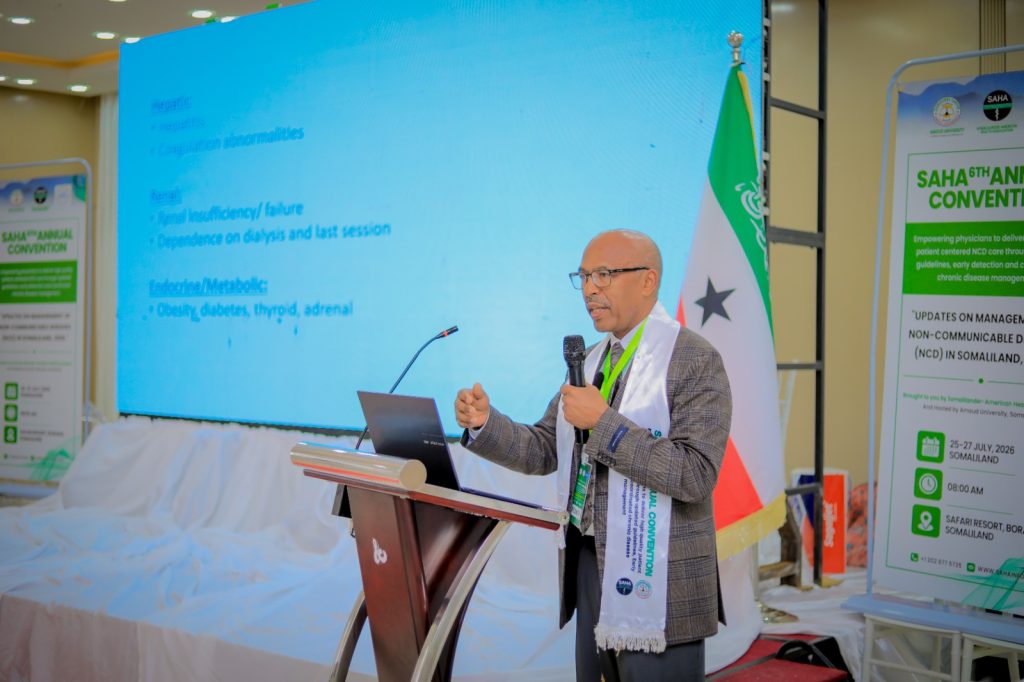
BORAMA, Somaliland – The second day of the SAHA 6th Annual Continuing Medical Education (CME) Convention 2026 took a deep dive into surgical safety today, headlined by a critical session on managing the rising challenge of non-communicable diseases (NCDs) in operative care. The spotlight of the day was an intensive lecture delivered by Dr. Hussein Hanfi of Howard University, Washington, D.C. Addressing a packed room of healthcare professionals and academics at the Safari Hotel, Dr. Hanfi’s presentation, “Pre-Operative Assessment in Patients with Non-Communicable Diseases (NCDs),” provided a roadmap for reducing surgical risks in an era where chronic conditions are increasingly prevalent. Prioritizing Perioperative Safety Dr. Hanfi’s session focused on the high-stakes environment of perioperative care, specifically for patients suffering from diabetes mellitus, hypertension, chronic obstructive pulmonary disease (COPD), and cardiovascular disease. He argued that the success of a surgical procedure is often determined long before the first incision is made. “Thorough pre-operative evaluation is not optional; it is the foundation of patient safety,” Dr. Hanfi emphasized. He detailed the necessity of rigorous laboratory investigations, cardiac assessments, and pulmonary function testing to identify potential complications before they occur. Tools for Evidence-Based Decision Making A key highlight of the lecture was the introduction of internationally recognized risk stratification tools. Dr. Hanfi trained participants on the practical application of: These tools are designed to move clinical decision-making away from intuition and toward a standardized, evidence-based approach. The Multidisciplinary Approach Dr. Hanfi also addressed the logistical complexities of perioperative management. His lecture covered the vital process of medication reconciliation—ensuring a patient’s chronic medications are managed correctly around the time of surgery—and the diverging strategies required for elective versus emergency procedures. The core of his message was the need for a “multidisciplinary care pathway.” Dr. Hanfi called for increased collaboration between surgeons, anesthesiologists, internists, and primary care providers. This team-based approach, he noted, is essential to minimizing postoperative complications and improving long-term recovery outcomes in the region. Strengthening Regional Healthcare The session sparked an energetic discussion among the local and international delegates, highlighting the shared challenges of managing the NCD burden across Somaliland’s healthcare system. The SAHA 6th Annual CME Convention is organized by the Amoud University School of Health Sciences. By bringing in global experts like Dr. Hanfi, the university continues to position itself as a leader in medical innovation and professional development. As the convention continues through its final sessions, the focus remains on equipping Somaliland’s medical workforce with the modern skills necessary to deliver world-class patient care. Event Summary:

Conference News, news

Global Health Experts Converge in Borama for the 6th Annual SAHA Convention

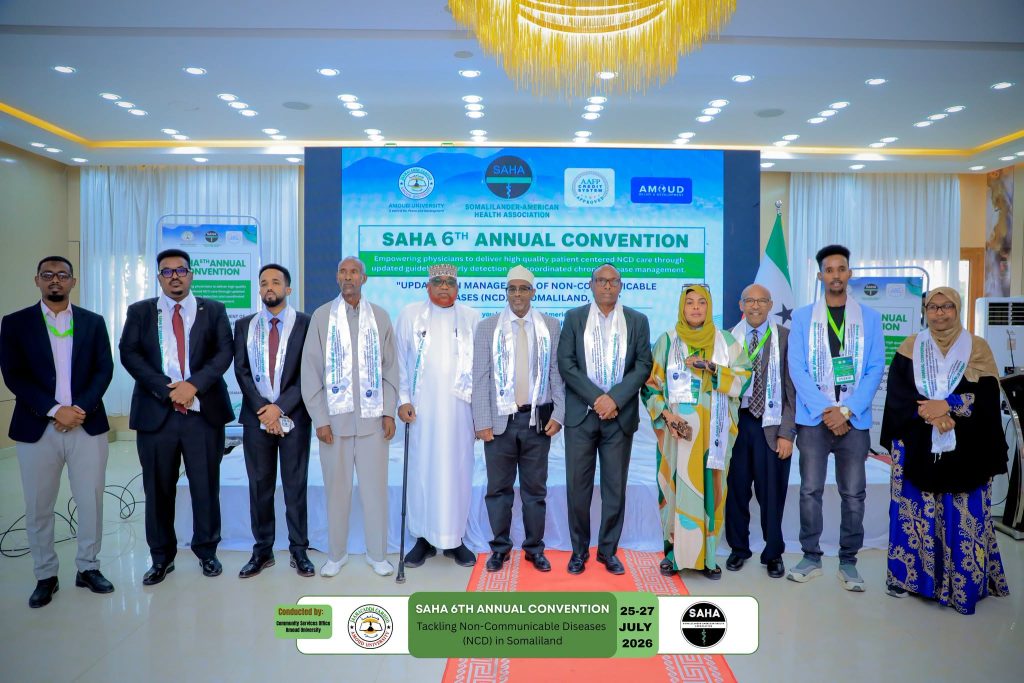
BORAMA, SOMALILAND – The 6th Annual Somali American Health Association (SAHA) Convention officially commenced today at the Safari Hotel, marking a significant milestone for the region’s healthcare sector. Hosted by Amoud University, the three-day summit brings together a prestigious delegation of local and international medical professionals to address the rising challenge of chronic illnesses. A Mission for Change: Tackling NCDs This year’s convention is centered on a critical theme: “Tackling Non-Communicable Diseases (NCD) in Somaliland.” As the region undergoes epidemiological shifts, the prevalence of conditions such as diabetes, hypertension, and chronic respiratory diseases has become a primary concern for health authorities. The convention serves as a strategic platform for medical leaders to share data, clinical breakthroughs, and public health strategies aimed at reducing the burden of these “silent killers.” World-Class Collaboration The event highlights a powerful collaboration between local institutions and global academic giants. Renowned experts from Yale University and Howard University are in attendance, joining forces with Somaliland’s leading clinicians to provide life-saving insights. “This is more than just a meeting; it is a historic gathering for our health sector,” said a representative from the organizing committee. “By bringing world-class expertise from institutions like Yale and Howard to Borama, we are ensuring that our local practitioners are equipped with the latest global standards in NCD management.” Event Highlights Over the next three days, attendees will participate in: Quick Facts: Leading the Way Forward As Amoud University takes center stage as the host, the convention reinforces Borama’s reputation as a hub for academic and medical excellence. The outcomes of this convention are expected to influence healthcare policy and clinical practice across Somaliland for years to come. Stay tuned for more updates as we follow the developments from the SAHA 6th Annual Convention.

news, Partnerships

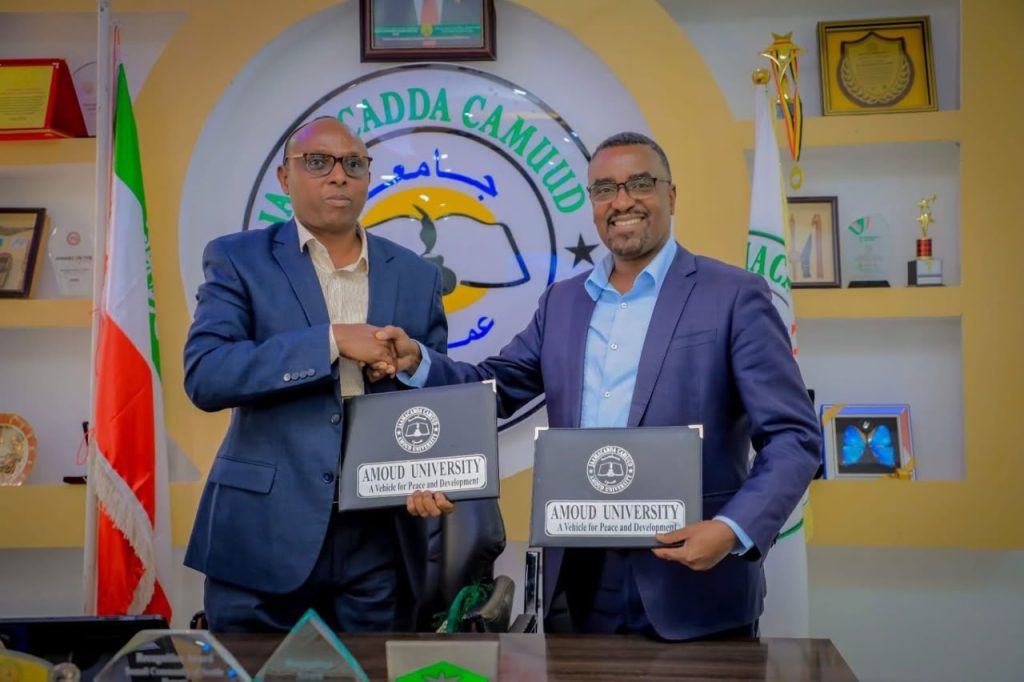
Amoud University and Jimma University Sign Landmark MoU to Enhance Academic Cooperation and Research

BOORAMA, Somaliland – Amoud University and Jimma University, Ethiopia, have officially signed a Memorandum of Understanding (MoU) to establish a strategic partnership aimed at strengthening collaboration in higher education, research, innovation, and institutional capacity development. Arrival and Reception of the Delegation The high-level delegation from Jimma University was led by Dr. Jemal Abafita, President of Jimma University, accompanied by: The visit was facilitated and led by Hon. Ambassador Teshome Shunde Hamito, Consul General of the Federal Democratic Republic of Ethiopia in Somaliland, and Mahir Abduselam Ahmed, Second Secretary. Upon their arrival at the Amoud University main campus, the delegation was warmly received by the university’s senior management team, headed by Prof. Dr. Mohamed Muse Jibril, President of Amoud University, along with members of the executive leadership. Scope of the Agreement The signed MoU establishes a comprehensive framework for long-term cooperation between the two prestigious institutions. Key areas of collaboration include: A Milestone for Academic Excellence Amoud University views this partnership as a significant milestone in its mission to expand international collaboration. By partnering with Jimma University—one of Ethiopia’s leading institutions—Amoud University aims to enhance the quality of its education and research, creating transformative opportunities for students, academics, and researchers. This MoU reflects a shared commitment to advancing academic excellence and innovation while fostering stronger “people-to-people” ties and regional cooperation in higher education between Somaliland and Ethiopia.

news, Partnerships

Amoud University Celebrates Graduates of the Joint Healthcare Program with Haramaya University

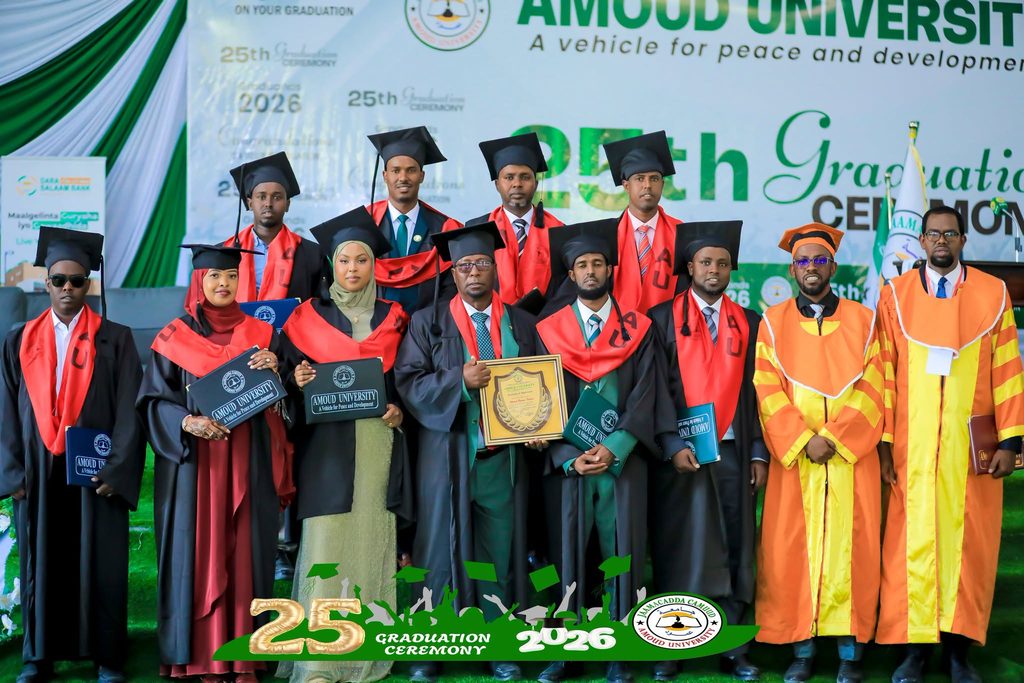
Published on: June 29, 2026Location: Haramaya Amoud University proudly announces the successful graduation of a new cohort ofhighly specialized medical and nursing professionals from its esteemed JointProgram, collaboratively offered with Haramaya University. The official graduation ceremony took place at the Haramaya University campus,serving as a momentous occasion to celebrate the remarkable achievements, hardwork, and dedication of the graduating class. Demonstrating the university’s strong support for its students and itscommitment to this cross-border academic partnership, a high-level delegationfrom Amoud University attended the ceremony. The delegation was led by theChairman of Amoud University, Prof. Dr. Mohamed Muse Jibriil. He was accompaniedby Mr. Mohamed Heban Awale, Director of International Relations, Partnership andProjects, and Mr. Zakaria Mohamed Ahmed, Director of Protocol and Events. During the ceremony, Prof. Dr. Jibriil and the delegation joined their HaramayaUniversity counterparts in honoring the graduates who have undergone rigoroustraining to specialize in critical healthcare fields. The 2026 graduates and their respective specializations are as follows: 🩺 Internal Medicine 👶 Pediatric and Child Health Nursing Amoud University extends its heartfelt congratulations and profound appreciationto all these graduates on their outstanding academic achievements. We wish thema bright future, continued success, and the opportunity to utilize theiradvanced knowledge and skills to uplift the healthcare standards of theircommunities and country. Congratulations, Graduates! Your success is a profound source of pride for yourfamilies, Amoud University, and the wider Somali community. AmoudUniversity #HaramayaUniversity #Graduation2026 #JointProgram Congratulations #ClassOf2026

Partnerships

Catalysing Systemic Change: Day 3 of the AAUN Conference 2026 Sparks Bold Dialogues at Nelson Mandela University

GQEBERHA, SOUTH AFRICA — The energy on the Nelson Mandela University campus was palpable as the 2026 Australia Africa Universities Network (AAUN) Conference entered its highly anticipated third day. With a sharp focus on sustainable futures and the circular economy, Day 3 challenged delegates to rethink traditional paradigms of development, industry, and environmental stewardship. Guided by the overarching vision of a greener, more equitable global economy, the day’s sessions were meticulously curated to inspire action. Our profound hope is that the dialogues from these sessions will help our delegates to think of bold new ways of promoting systemic change, decoupling economic growth from resource use, and designing out waste and pollution. Setting the Stage for InnovationThe day’s proceedings were expertly steered by our Programme Director, Dr. Marija Petrovska. Dr. Petrovska set an inspiring tone for the day, seamlessly weaving together the diverse academic disciplines present in the room and urging attendees to move beyond theory and toward actionable, scalable solutions for both Australia and the African continent. Expert Insights and Powerful DialoguesThe podium was graced by an incredible lineup of thought leaders, academics, and innovators who shared groundbreaking research and real-world case studies: Looking AheadAs delegates spilled out into the Nelson Mandela University corridors for the afternoon networking sessions, the conversations remained vibrant. The exchange of ideas sparked today is a testament to the power of the AAUN in bridging continents through shared knowledge. The challenges of waste, pollution, and resource depletion are universal, but as Day 3 of the conference proved, the solutions are well within our grasp when brilliant minds come together. We look forward to seeing how our delegates will take these insights back to their respective institutions and communities to champion the systemic change our world so urgently needs.

Scroll to Top